
A better way to think about housing
A home should be more than somewhere to live. It should provide security, comfort, independence and a sense of belonging — not simply for today, but throughout life’s changing circumstances.
Yet housing is too often measured by its purchase price, floor area and appearance, rather than its lifetime value to the people who live there.
Structive™ begins with a different question:
What if we designed homes around the needs of people throughout their lives, rather than expecting people to adapt to the limitations of their homes?
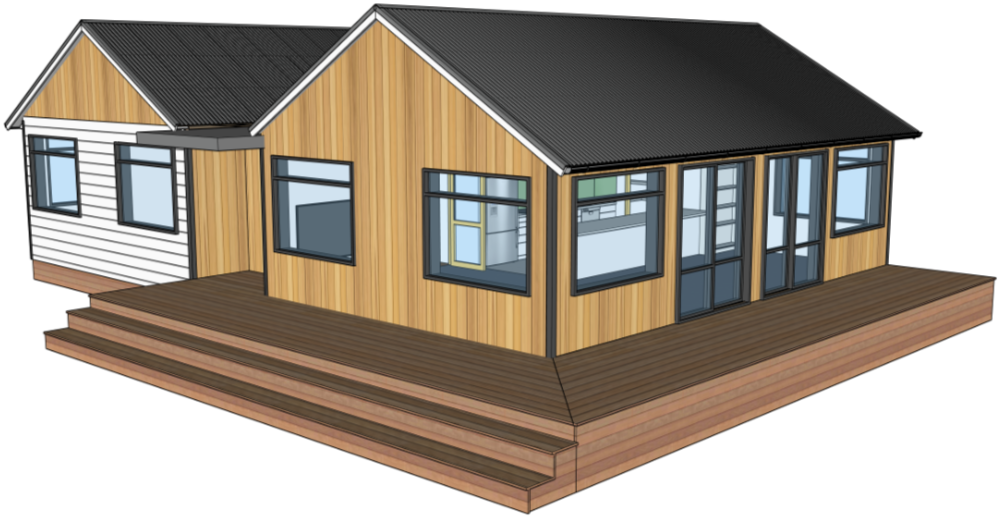
House → Home → Hapū
A house is a physical structure. A home is what happens when that structure supports the lives, relationships and aspirations of the people within it.
But the story doesn’t end at the front door.
Homes are also part of families, neighbourhoods and communities. They can strengthen relationships, support independence, bring generations together and contribute to a lasting sense of belonging.
In Aotearoa New Zealand, the concept of papakāinga offers an important example of housing understood in this broader context — whānau living together on ancestral whenua, sustaining connections between people, place, culture and generations.
Hapū are kinship groups with their own whakapapa, identity and relationships to whenua. Their significance extends well beyond the physical arrangement of houses.
For Structive, House → Home → Hapū expresses an aspiration: to create buildings that serve people, and homes that can contribute to the relationships and communities around them.
Our adaptable modular approach also offers possibilities for collective housing developments, including papakāinga where these are designed and led by the whānau and hapū concerned.
Accessible. Adaptable. Affordable.
These three principles shape the way we approach housing.
Accessible — designed to accommodate people with different needs and abilities, including changes that come with ageing.
Adaptable — able to respond to changing households, lifestyles and circumstances without requiring people to abandon the place they call home.
Affordable — considered across the whole life of the building, including construction, maintenance, energy use and future adaptation.
Because people don’t live in floor plans.
They live in stories.
And good housing should make room for those stories to continue.